
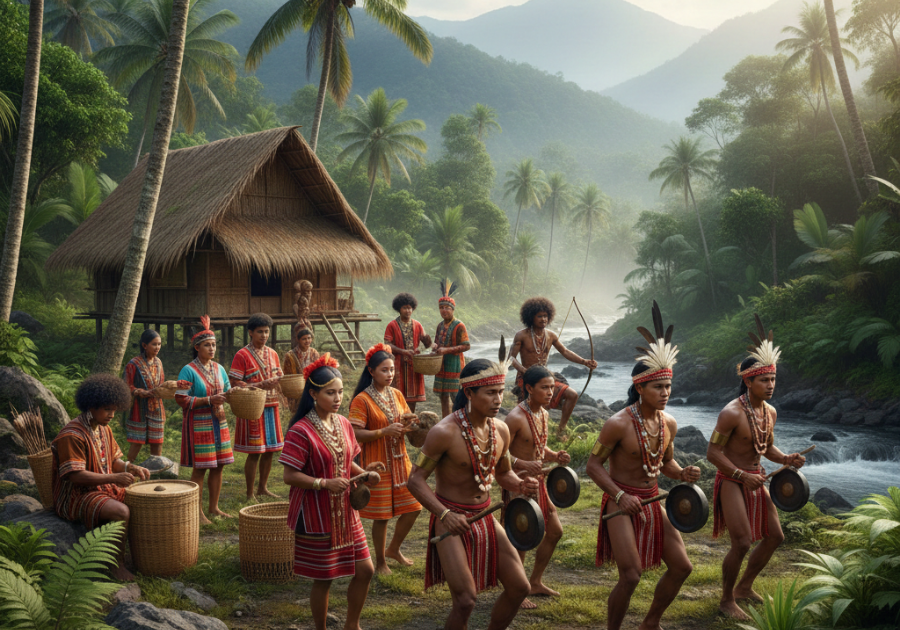
The indigenous tribes of Philippines represent one of Southeast Asia’s richest and most diverse cultural heritages. Long before colonization, these indigenous communities developed unique languages, belief systems, traditions, and ways of life that continue to shape Filipino identity today. With more than 110 ethnolinguistic groups, the Philippines stands as a living mosaic of indigenous cultures that have survived centuries of change.
This comprehensive guide explores the history, major indigenous tribes, cultural practices, challenges, and the importance of preserving the indigenous heritage of the Philippines.
Who Are the Indigenous Tribes of the Philippines?
Indigenous tribes of the Philippines are ethnic groups who inhabited the islands long before foreign influence and colonization. They are commonly referred to as Indigenous Peoples (IPs) and are officially recognized by the Philippine government under the Indigenous Peoples’ Rights Act (IPRA) of 1997.
These tribes maintain strong connections to their ancestral lands, traditional governance systems, and cultural identities. Most indigenous communities live in mountain regions, forests, and remote coastal areas, helping preserve their customs and traditions.
Major Indigenous Groups in the Philippines
The indigenous tribes of Philippines are generally grouped into three major categories based on geography and ancestry:
1. Lumad (Mindanao Indigenous Tribes)
The Lumad are the non-Muslim indigenous peoples of Mindanao. They consist of multiple tribes, each with distinct cultures and languages.
Notable Lumad tribes include:
- Manobo
- T’boli
- B’laan
- Bagobo
- Subanen
- Mandaya
The Lumad are known for:
- Intricate beadwork and textiles
- Agricultural traditions
- Spiritual rituals tied to nature
- Rich oral literature and epics
2. Cordillera Indigenous Tribes (Northern Luzon)
The mountainous Cordillera region is home to some of the most well-known indigenous tribes of Philippines.
Major Cordillera tribes:
- Ifugao
- Kalinga
- Bontoc
- Ibaloi
- Apayao
- Isneg
The Ifugao Rice Terraces, a UNESCO World Heritage Site, stand as a testament to indigenous engineering, sustainability, and agricultural expertise developed over 2,000 years ago.
Cordillera tribes are recognized for:
- Tattoo traditions
- Communal values
- Warrior culture
- Advanced terrace farming
3. Negrito Indigenous Tribes
The Negritos are believed to be the earliest inhabitants of the Philippines. They are distinguished by their darker skin, curly hair, and shorter stature.
Negrito tribes include:
- Aeta
- Ati
- Agta
- Mamanwa
Traditionally hunter-gatherers, Negrito tribes rely on forest resources and possess extensive knowledge of medicinal plants and survival skills.
Cultural Practices and Traditions
Language and Oral Traditions
The indigenous tribes of the Philippines speak distinct native languages, many of which are now endangered, and they pass down oral traditions—such as myths, chants, riddles, and epic poems—from one generation to the next.
Traditional Clothing and Arts
Each tribe has unique clothing designs that symbolize identity, social status, and community belonging. Common art forms include:
- Weaving
- Wood carving
- Beadwork
- Body tattoos
Beliefs and Spirituality
Most indigenous tribes practice animism, believing that spirits inhabit nature—mountains, rivers, trees, and animals. Rituals and ceremonies are conducted to honor ancestors and maintain harmony with nature.
Indigenous Tribes and Ancestral Domains
Ancestral land is central to the identity of the indigenous tribes of the Philippines. These lands are not just sources of livelihood but are deeply tied to spiritual beliefs and cultural survival.
The IPRA Law recognizes:
- Ancestral land ownership
- Self-governance
- Cultural integrity
- Social justice and human rights
Despite legal protections, many tribes still face land disputes and displacement.
Challenges Faced by Indigenous Tribes
Indigenous communities in the Philippines continue to encounter serious challenges:
- Loss of ancestral land due to mining and deforestation
- Cultural erosion and language extinction
- Limited access to education and healthcare
- Discrimination and marginalization
- Climate change impacts
Protecting indigenous tribes of Philippines requires stronger policy enforcement and public awareness.
Importance of Preserving Indigenous Heritage
Preserving indigenous cultures is vital because:
- They safeguard biodiversity and sustainable practices
- They contribute to national identity
- They hold centuries of ecological knowledge
- They promote cultural diversity and inclusivity
Supporting indigenous tribes helps protect both human heritage and the environment.
How the Philippines Supports Indigenous Tribes
The Philippine government, NGOs, and cultural organizations promote indigenous rights through:
- Cultural education programs
- Ancestral domain recognition
- Indigenous festivals and exhibitions
- Community-based tourism initiatives
These efforts aim to empower indigenous communities while respecting their traditions.
Frequently Asked Questions (FAQs)
How many indigenous tribes are in the Philippines?
There are over 110 indigenous ethnic groups in the Philippines.
What is the largest indigenous tribe in the Philippines?
The Manobo is considered one of the largest indigenous groups, primarily located in Mindanao.
Are indigenous tribes protected by law in the Philippines?
Yes. The Indigenous Peoples’ Rights Act (IPRA) protects their rights to land, culture, and self-governance.
Conclusion
The indigenous tribes of Philippines are the foundation of the nation’s cultural richness and historical depth. From the rice terraces of the Cordilleras to the forests of Mindanao, these communities embody resilience, wisdom, and identity. Preserving their traditions, lands, and rights is essential not only for indigenous peoples but for the future of the Philippines as a whole.
By understanding and respecting indigenous cultures, we contribute to a more inclusive, sustainable, and culturally rich society.
You may also like :