
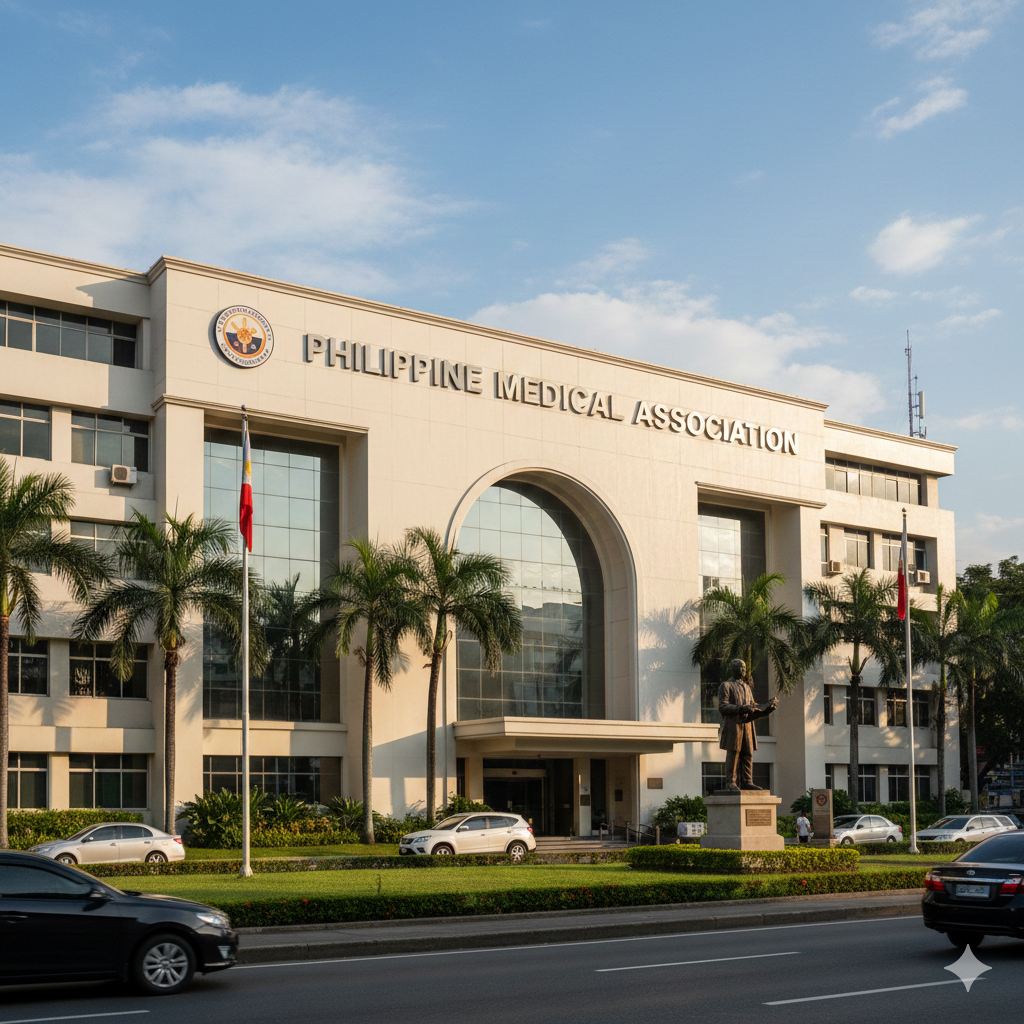
The Philippine Medical Association (PMA) plays a central role in shaping the healthcare system in the Philippines. As the national organization of Filipino physicians, it promotes medical excellence, professional ethics, and public health advocacy. From regulating professional standards to supporting doctors nationwide, the Philippine Medical Association remains a pillar of the country’s medical community.
This article explores the history, objectives, structure, membership benefits, and lasting impact of the PMA on healthcare in the Philippines.
What Is the Philippine Medical Association?
The PMA is the official national organization of licensed physicians in the Philippines. It represents doctors across various specialties and regions while serving as a unified voice on medical, ethical, and public health issues.
The association works closely with government agencies, medical institutions, and international organizations to ensure quality healthcare delivery and professional accountability.
History of the PMA
The PMA traces its roots to the early 20th century, when Filipino physicians recognized the need for a unified professional body. Over the decades, the organization evolved alongside the Philippine healthcare system.
Key milestones include:
- The unification of regional medical societies
- Advocacy for ethical medical practice
- Active participation in national health policy discussions
Through historical challenges such as epidemics, healthcare reforms, and modernization, the PMA consistently supported both physicians and patients.
Mission and Objectives of the PMA
The PMA focuses on strengthening the medical profession while safeguarding public health.
Core Objectives:
- Promote ethical and professional medical practice
- Uphold high standards of medical education and training
- Protect the welfare and rights of physicians
- Advocate for accessible, quality healthcare for all Filipinos
- Support continuing medical education and research
These objectives guide every initiative and policy endorsed by the PMA
Organizational Structure of the Philippine Medical Association
The PMA operates through a structured national and regional framework to ensure efficient representation.
Key Components:
- National Leadership – Oversees policies and national initiatives
- Component Medical Societies – Represent doctors at provincial and city levels
- Specialty Societies – Focus on specific medical fields such as cardiology, pediatrics, and surgery
This structure allows the PMA to address both national and local healthcare concerns effectively.
Membership in the Philippine Medical Association
Membership in the PMA is open to licensed physicians who meet professional and ethical standards.
Types of Membership:
- Regular members
- Associate members
- Life members
Doctors must usually join their local medical society before becoming full members of the PMA.
Benefits of Joining the Philippine Medical Association
Physicians who join the PMA gain both professional and personal advantages.
Key Benefits:
- Legal and professional support
- Access to continuing medical education programs
- Networking opportunities with fellow physicians
- Participation in national health policy advocacy
- Representation in ethical and professional disputes
The PMA helps doctors grow professionally while protecting their rights and interests.
Role of the Philippine Medical Association in Public Health
The PMA actively participates in national health campaigns and emergency responses.
Public Health Contributions:
- Disease prevention and awareness programs
- Medical missions and outreach services
- Health education initiatives for communities
- Collaboration during public health emergencies
By mobilizing its members, the Philippine Medical Association directly improves healthcare access and awareness across the country.
Philippine Medical Association and Medical Ethics
Medical ethics remains a cornerstone of the Philippine Medical Association’s mission. The organization enforces a strict Code of Ethics that guides physician behavior and patient care.
Ethical Responsibilities:
- Patient confidentiality
- Professional integrity
- Responsible medical advertising
- Ethical relationships with patients and colleagues
The PMA ensures that ethical violations are addressed fairly and professionally.
Continuing Medical Education and Training
The PMA strongly promotes lifelong learning. It supports seminars, workshops, conventions, and online learning platforms to help physicians stay updated with medical advancements.
Continuing medical education ensures that doctors maintain clinical competence and deliver evidence-based care.
Challenges Facing the PMA
Despite its achievements, the PMA faces modern challenges, including:
- Physician migration abroad
- Healthcare workforce shortages
- Rising healthcare costs
- Technological changes in medicine
The association continues to adapt by advocating policy reforms and embracing digital healthcare innovations.
Future of the Philippine Medical Association
The PMA aims to strengthen its role in healthcare transformation. Future priorities include:
- Supporting digital health and telemedicine
- Enhancing physician welfare programs
- Expanding public health advocacy
- Strengthening partnerships with global medical organizations
These efforts ensure that the PMA remains relevant in a rapidly changing healthcare environment.
Frequently Asked Questions
What is the role of the Philippine Medical Association?
The PMA represents physicians, promotes ethical practice, and supports public health initiatives nationwide.
Who can join the PMA?
Licensed physicians practicing in the Philippines can apply for membership through their local medical societies.
Is the PMA a government agency?
No, the Philippine Medical Association is a professional organization that collaborates with government institutions but operates independently.
Why is the PMA important?
The PMA ensures medical professionalism, supports doctors, and advocates for quality healthcare for Filipinos.
Conclusion
The Philippine Medical Association remains a vital institution in the Philippine healthcare system. Through advocacy, education, ethical leadership, and public health involvement, it supports both physicians and patients. As healthcare continues to evolve, the Philippine Medical Association stands as a trusted voice committed to medical excellence and national well-being.
YOU MAY ALSO LIKE :